
Window Tint Percentages Explained: Aesthetics and Compliance

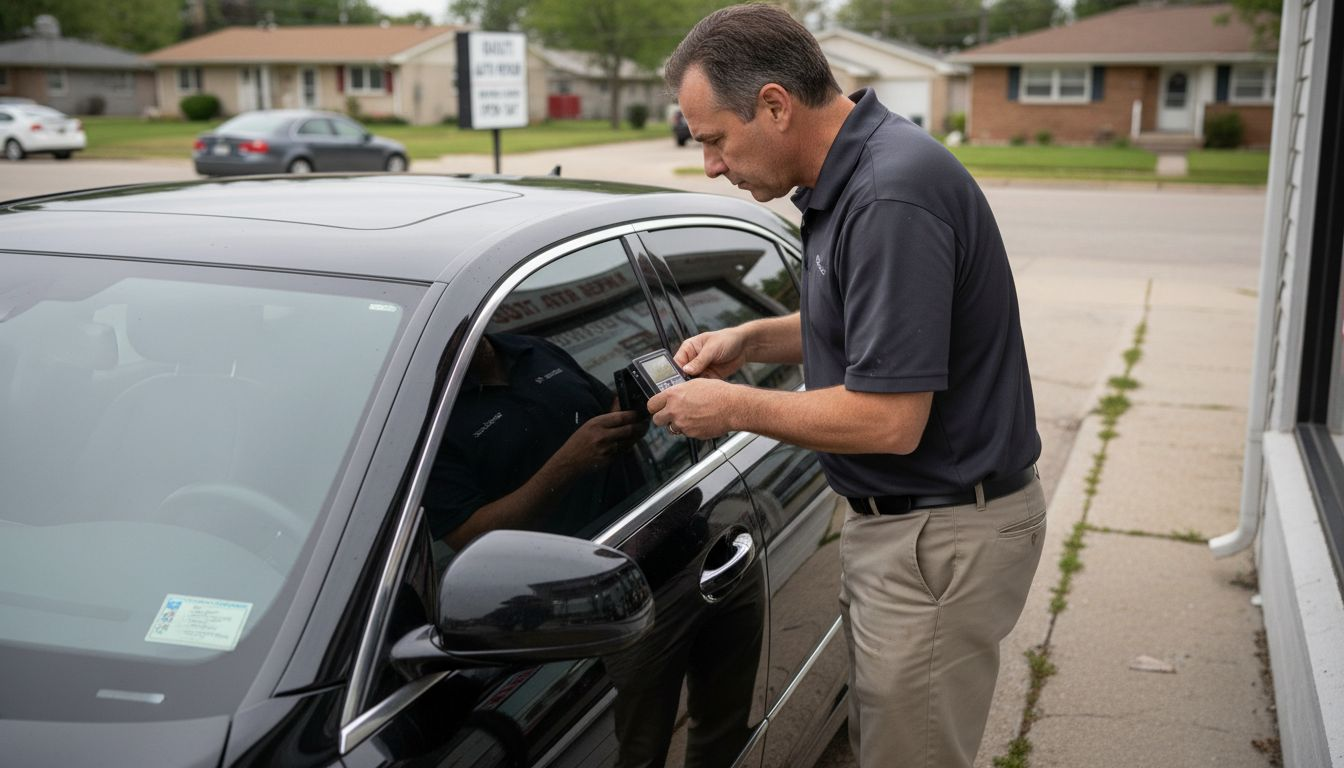
Choosing the perfect window tint for your luxury vehicle in Spokane means balancing sophisticated style with effective UV protection. The right tint percentage not only shapes your vehicle’s appearance but also controls how much light and heat enter your car, enhancing both comfort and privacy. By understanding how different tint levels work and considering Washington state regulations, you can achieve the look you want while preserving your investment and well-being.
Table of Contents
Key Takeaways
Point | Details |
Window Tint Percentages | Lower percentages mean darker tints with less visible light transmission, impacting style and functionality. |
Tint Types and Features | Different film types vary in cost, UV protection, and interference with electronics, affecting choice based on individual needs. |
Legal Compliance | Tint regulations differ by state; understanding local laws is essential to avoid penalties. |
Cost Considerations | Investing in high-quality tints and professional installation ensures long-term durability and protection. |
What Window Tint Percentages Really Mean
Window tint percentages are more than just a style choice - they’re a precise measurement of how much visible light passes through your vehicle’s glass. Visible Light Transmission (VLT) represents the amount of light allowed through car windows, determining both aesthetic appeal and functional performance.
At its core, a window tint percentage indicates how much light can penetrate the film. A lower percentage means darker tint, while a higher percentage means lighter tint. For example:
5% tint: Extremely dark, allowing only 5% of light through
20% tint: Very dark, popular for privacy
35% tint: Moderate darkness, balanced look
50% tint: Light tint, minimal light reduction
70% tint: Almost clear, minimal visual impact
Understanding these percentages helps luxury vehicle owners make informed decisions about both aesthetics and practical protection. Performance depends on film quality, not just darkness level, so choosing the right tint requires careful consideration.
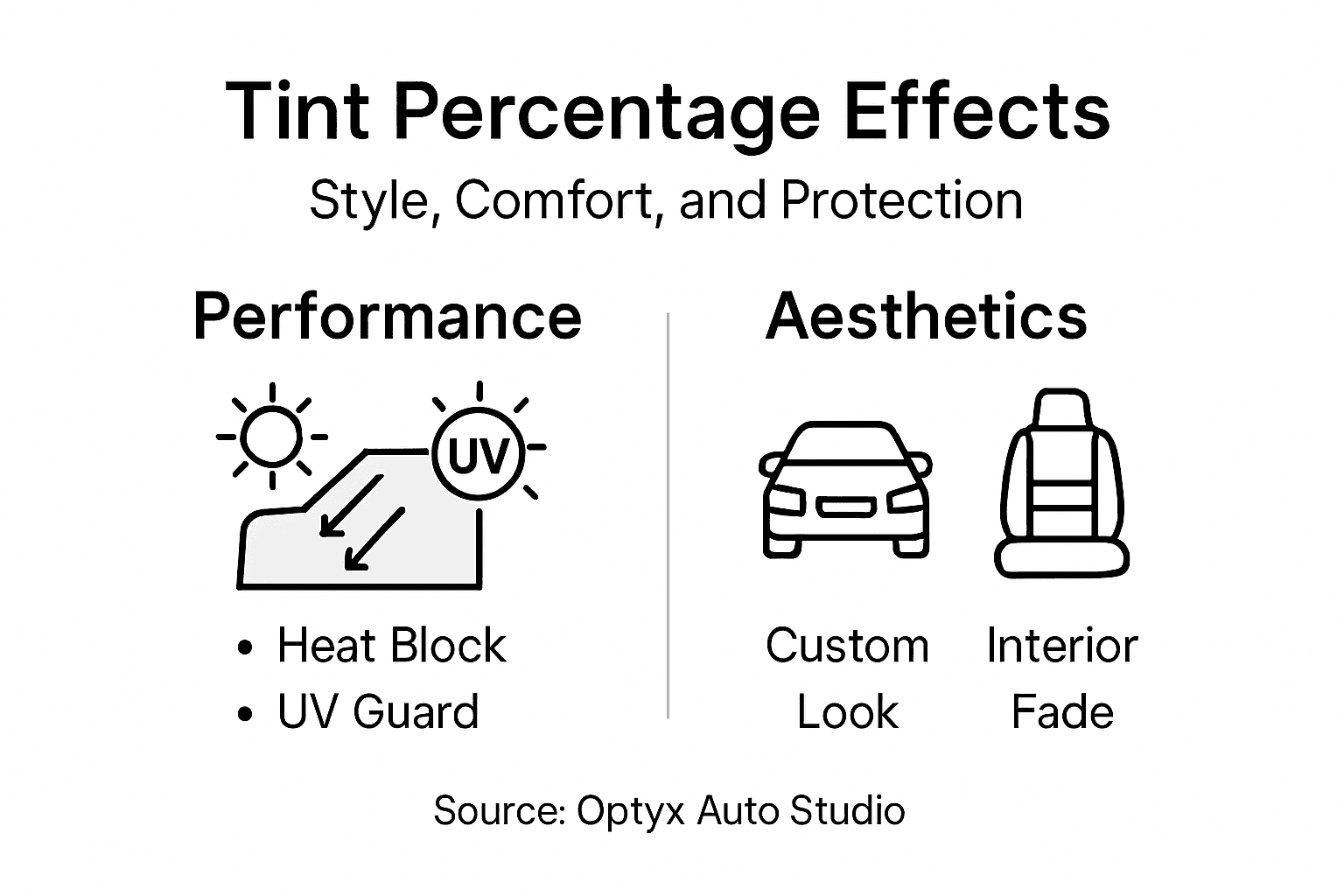
These percentages influence more than appearance. They impact heat rejection, UV protection, interior comfort, and even legal compliance. Different states have varying regulations about acceptable tint darkness, making it crucial to understand the nuanced world of window tinting.
Pro tip: Always consult local regulations and professional installers to ensure your window tint meets both your aesthetic preferences and legal requirements.
Popular Tint Types and Their Features
Luxury vehicle owners have multiple window tint options, each offering unique performance characteristics. Window film types range from dyed to ceramic, providing different levels of protection, aesthetics, and functionality for discerning car enthusiasts.
The most popular window tint types include:
Carbon Tint: Excellent UV protection and insulation
Ceramic Tint: Superior heat rejection without signal interference
Dyed Tint: Most affordable option with basic protection
Metallic Tint: Heat-reflective but potentially disruptive to electronics
Hybrid Tint: Balanced performance combining multiple film technologies
Automotive window films offer diverse features designed to address specific driver needs. Ceramic tints stand out for their exceptional performance, providing maximum heat rejection without compromising electronic device functionality. These advanced films do not fade over time, making them an ideal long-term investment for luxury vehicles.
Each tint type presents trade-offs between cost, protection, and aesthetic appeal. Metallic films reduce glare effectively but might interfere with GPS and mobile signals. Dyed tints remain the most budget-friendly choice, while carbon and ceramic options deliver superior protection and longevity.
Pro tip: Consult a professional installer to match your specific vehicle requirements with the most appropriate window tint technology.
Here’s a quick comparison of popular window tint types to help you choose the best fit for your luxury vehicle:
Tint Type | Cost Range | Heat & UV Blocking | Impact on Electronics |
Carbon | Moderate | Strong insulation, good UV protection | No interference |
Ceramic | High | Maximum heat & UV rejection | No interference |
Dyed | Low | Basic UV protection, poor durability | No interference |
Metallic | Moderate | Effective glare reduction | Possible signal problems |
Hybrid | Moderate-High | Balanced protection & durability | Minimal interference |
Legal Tint Limits in the United States
Window tint regulations vary dramatically across the United States, creating a complex landscape of legal requirements for vehicle owners. Window tint laws differ by state, with each jurisdiction establishing specific guidelines for visible light transmission (VLT) percentages and reflectivity.
Key legal considerations for window tinting include:
Front Windshield: Typically limited to a narrow strip at the top
Front Side Windows: Usually require higher light transmission
Rear Side Windows: Often allow darker tint percentages
Rear Windshield: Generally permits the darkest legal tint
Reflectivity: Most states restrict metallic or highly reflective films
Medical exemptions exist for specific photosensitive conditions, allowing slightly different tint regulations for drivers with unique health requirements. These exemptions provide flexibility for individuals who need additional protection from sunlight while ensuring overall road safety.
Understanding state-specific regulations is crucial. Tint percentages can vary significantly between states, with some allowing as little as 20% VLT on rear windows while others mandate 35% or higher. Luxury vehicle owners must carefully research local laws to avoid potential fines or mandatory removal of improperly tinted windows.
Pro tip: Always consult local Department of Motor Vehicles regulations and consider professional installation to ensure complete compliance with window tint laws.
Impact of Tint Choices on UV Protection and Style
Window tint represents far more than a stylistic choice - it’s a critical layer of protection for both vehicle occupants and interior surfaces. UV window films block critical skin-damaging rays, offering significant health and aesthetic benefits for luxury vehicle owners.
Key considerations for UV protection and style include:
Ceramic Tints: Superior UV blocking without excessive darkness
Dark Tints: Maximum UV protection but potential visibility challenges
Light Tints: Minimal UV blocking with maximum visibility
Reflective Films: Enhanced heat rejection with moderate UV protection
Specialized Coatings: Advanced protection targeting specific wavelengths
Modern window films balance protection and aesthetics, allowing drivers to customize their vehicle’s appearance while maintaining critical skin and interior protection. Ceramic tints stand out by providing exceptional UV blocking without compromising style or visibility.
UV protection goes beyond personal health. These advanced films help preserve your vehicle’s interior, preventing upholstery fading, dashboard cracking, and maintaining the pristine condition of leather and trim surfaces. The right tint can reduce interior temperatures, protect against harmful radiation, and extend the longevity of your luxury vehicle’s interior.
Pro tip: Select window tints that offer at least 99% UV ray blocking to maximize both personal protection and vehicle preservation.
Costs, Common Mistakes, and What to Avoid
Window tinting represents a significant investment for luxury vehicle owners, with costs and quality varying dramatically across different film types and installation approaches. Window tinting expenses depend on multiple factors, including vehicle size, film quality, and professional installation complexity.
Common mistakes to avoid include:
Choosing Ultra-Dark Tints: Impairs nighttime visibility
Selecting Cheap Films: Risk of rapid fading and bubbling
DIY Installation: Increases likelihood of poor application
Ignoring State Regulations: Potential legal consequences
Skipping Professional Consultation: Missed optimization opportunities
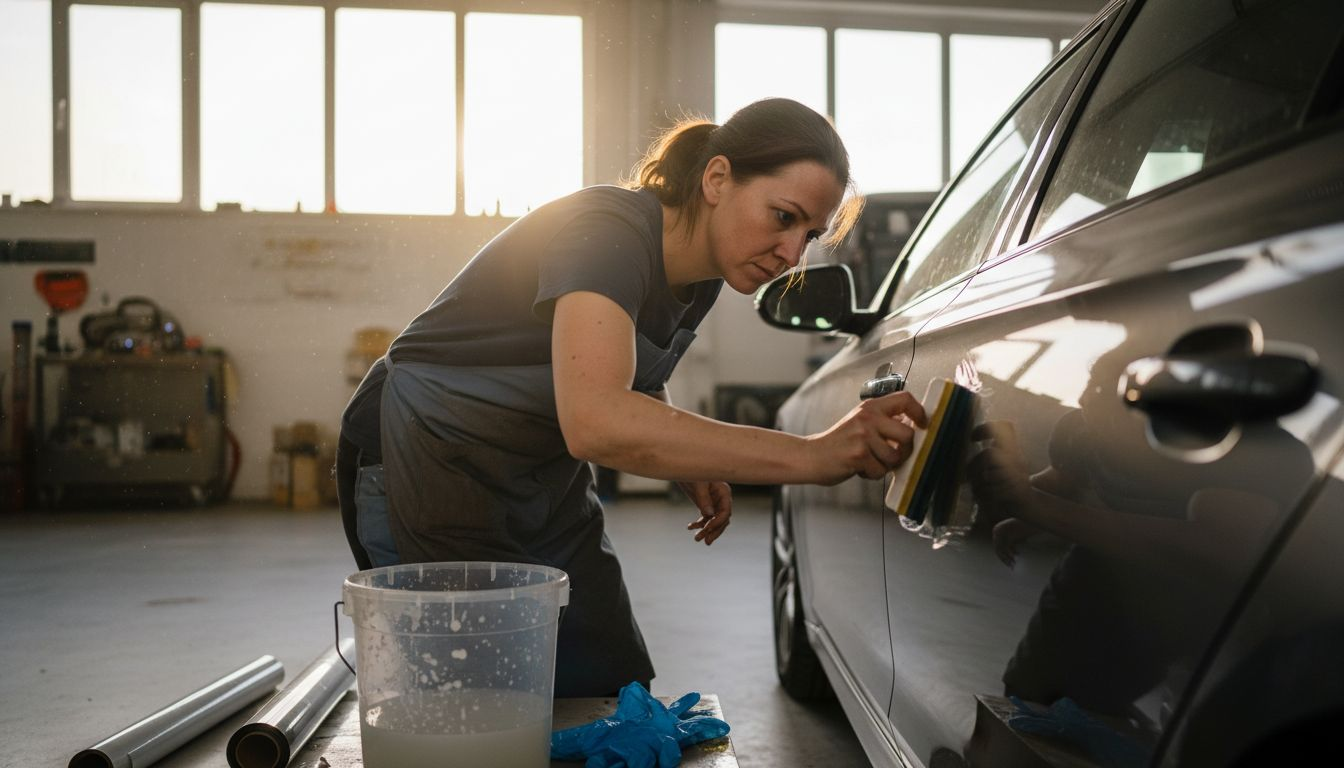
Proper window tint installation requires specialized tools and techniques, including precise cleaning, careful heat application, and understanding window curvature. Professional installers use stainless steel razor blades, rubber squeegees, and specific soap solutions to achieve seamless results that amateur applications often miss.
Cost ranges for window tinting vary significantly, with basic dyed films starting around $200 and premium ceramic options reaching $800 or more for full vehicle coverage. Luxury vehicle owners should prioritize quality and performance over minimal upfront savings, understanding that superior films provide long-term protection and aesthetic value.
Here’s a summary of factors to consider when estimating window tinting costs and value:
Factor | Influence on Cost | Long-Term Value |
Film Type Selection | Premium films cost more | Superior protection, less fading |
Professional Installation | Increases initial expense | Warranty and expert application |
Vehicle Size & Shape | Larger vehicles cost more | Optimal aesthetics, full coverage |
Legal Compliance | May require lighter tint | Avoids fines and costly removal |
Pro tip: Invest in high-quality ceramic tints from certified professionals, as the additional upfront cost will save money through superior durability and protection.
Enhance Your Vehicle’s Style and Stay Compliant with Expert Window Tinting
Choosing the right window tint percentage is a critical decision that balances aesthetics, legal compliance, and protection from harmful UV rays. Understanding terms like visible light transmission and selecting premium tint types such as ceramic can be overwhelming. Many vehicle owners face challenges ensuring their tint not only looks great but also meets strict local regulations and provides lasting protection against heat and sun damage.
At Optyx Auto Studio, we specialize in high-quality ceramic window tinting designed to deliver both style and safety. Our certified installers use precise techniques that minimize visible film edges and ensure optimal application that enhances your vehicle’s appearance while adhering to legal limits. With over 35 years of experience, we understand how important it is to protect your investment from fading and bubbling — and we are here to help you make the right tint choice.
Discover how Optyx’s premium tinting services complement your vehicle’s restyling and protection needs by visiting our main site. Whether you want to improve comfort, privacy, or UV protection, our expert team can guide you through all options to find the perfect balance. Explore the full range of upgrades including ceramic coatings and custom styling to transform your vehicle into a true statement of luxury.
Ready to enjoy superior tinting that looks flawless and performs flawlessly? Contact Optyx Auto Studio today to schedule your consultation and experience expert installation crafted for discerning automotive enthusiasts. Start protecting your vehicle with confidence now at Optyx Auto Studio.
Frequently Asked Questions
What do window tint percentages mean?
Window tint percentages indicate the amount of visible light that can pass through the window film. A lower percentage means a darker tint, while a higher percentage allows more light in. For instance, a 5% tint lets in only 5% of light, making it very dark, while a 70% tint is almost clear.
How do different window tint types affect performance?
Different window tint types like carbon, ceramic, and dyed films offer various performance characteristics. For example, ceramic tints provide superior heat rejection without signal interference, while dyed tints are the most affordable with basic UV protection. Choosing the right type depends on your specific needs for aesthetics, protection, and functionality.
Are there legal limits for window tint darkness?
Yes, legal limits for window tint darkness vary by state. Most laws dictate specific Visible Light Transmission (VLT) percentages that are permissible for different windows, including the front windshield and rear windows. Always check local regulations to ensure compliance.
What are the benefits of UV protection from window tints?
Window tints offer significant health benefits by blocking harmful UV rays, which can cause skin damage. They also help preserve your vehicle’s interior by preventing upholstery fading and dashboard cracking, thus extending the life of your vehicle’s materials.
Recommended


However, compliance is just as important. Different regions have specific legal limits on how dark your window tint can be, especially for front windows and windshields. Ignoring these laws can result in fines or the need to remove your tint altogether.
If you're unsure which tint percentage is right for you, it's always best to consult professionals. OC Tint Solutions offers expert guidance and high-quality tinting services to help you achieve the perfect balance between style, comfort, and legal compliance. Visit here site to explore your options and get started with a tint that suits both your needs and local regulations.