
What is Ceramic Window Tinting and Why It Matters

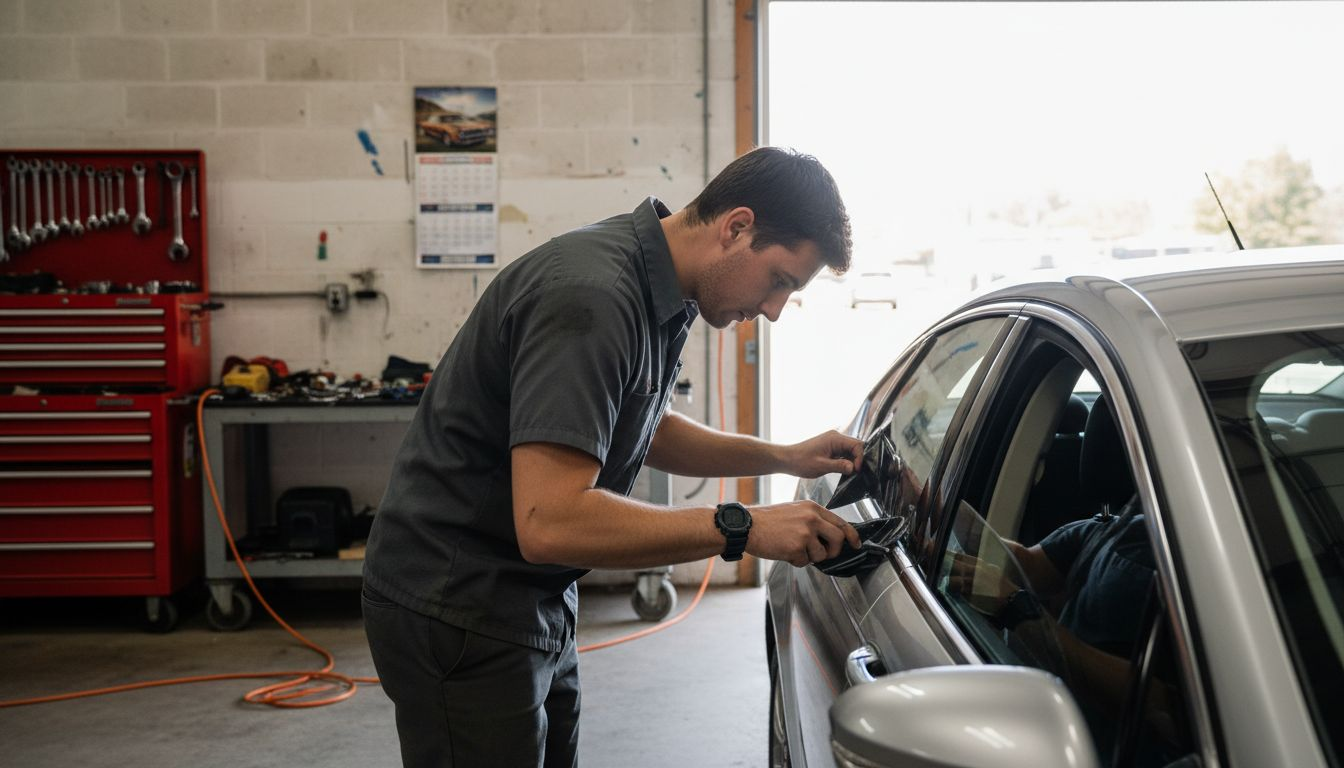
Most American car owners endure hot summers that can damage vehicle interiors and fade upholstery. With Spokane and Idaho temperatures often rising fast, choosing ceramic window tinting is far more than a simple upgrade. These advanced films block up to 99.9% of harmful ultraviolet rays, offering premium protection that keeps your vehicle cool and looking sharp. Discover how professional installation transforms everyday driving into a comfortable experience with lasting aesthetic benefits.
Table of Contents
Key Takeaways
Point | Details |
Ceramic Window Tinting Offers Superior Protection | It blocks up to 99.9% of UV rays and provides exceptional heat rejection without compromising visibility. |
Consider Professional Installation | Ensure optimal performance and longevity by hiring certified installers who adhere to rigorous standards. |
Understand Legal Requirements | Familiarize yourself with local tint darkness regulations to avoid potential legal issues and penalties. |
Evaluate Long-Term Benefits vs. Costs | While ceramic films have a higher upfront cost, their durability and performance often justify the investment for vehicle owners. |
Ceramic Window Tinting Defined and Explained
Ceramic window tinting represents an advanced automotive protection technology utilizing multilayered films embedded with microscopic nonconductive ceramic particles. Unlike traditional window films, ceramic window films offer superior performance by blocking substantial amounts of heat, ultraviolet radiation, and infrared light without compromising visibility or requiring extremely dark tint shades.
The core technology involves infusing window films with ceramic particles that create a powerful protective barrier for vehicle interiors. These innovative films can block up to 99.9% of ultraviolet rays, significantly reducing interior heat buildup and protecting dashboard surfaces, upholstery, and leather from premature fading and sun damage. Compared to traditional dyed or metallized films, ceramic window tints provide enhanced durability and performance with minimal visual interference.
Unique characteristics of ceramic window tinting include its non-metallic composition, which eliminates signal interference with electronic devices and provides exceptional heat rejection capabilities. Ceramic films can reduce energy transmission by up to 80%, making them substantially more effective than standard window treatments. While these advanced films typically cost 50-100% more than regular options, they deliver remarkable long-term protection and comfort for vehicle owners seeking premium interior preservation.
Pro tip: When selecting ceramic window tinting, prioritize professional installation to ensure optimal film adhesion and maximum performance benefits.
How Ceramic Tint Differs From Other Films
Ceramic window tints represent a revolutionary leap forward in automotive glass protection, distinguishing themselves dramatically from traditional window film technologies. Ceramic films offer superior performance by utilizing microscopic nonconductive particles that fundamentally transform how heat and light interact with vehicle windows. Unlike dyed or metallic films, ceramic window tints provide exceptional thermal rejection without compromising electronic signal transmission or visual clarity.
The key differentiators between ceramic and conventional window films are profound. Traditional dyed films typically fade and discolor over time, while metallic films can interfere with electronic devices like cell phones and GPS systems. In contrast, ceramic films maintain their structural integrity and performance, blocking up to 99% of ultraviolet radiation while allowing maximum light transmission. Non-metallic ceramic compositions prevent signal interference and offer remarkable durability that traditional films cannot match.
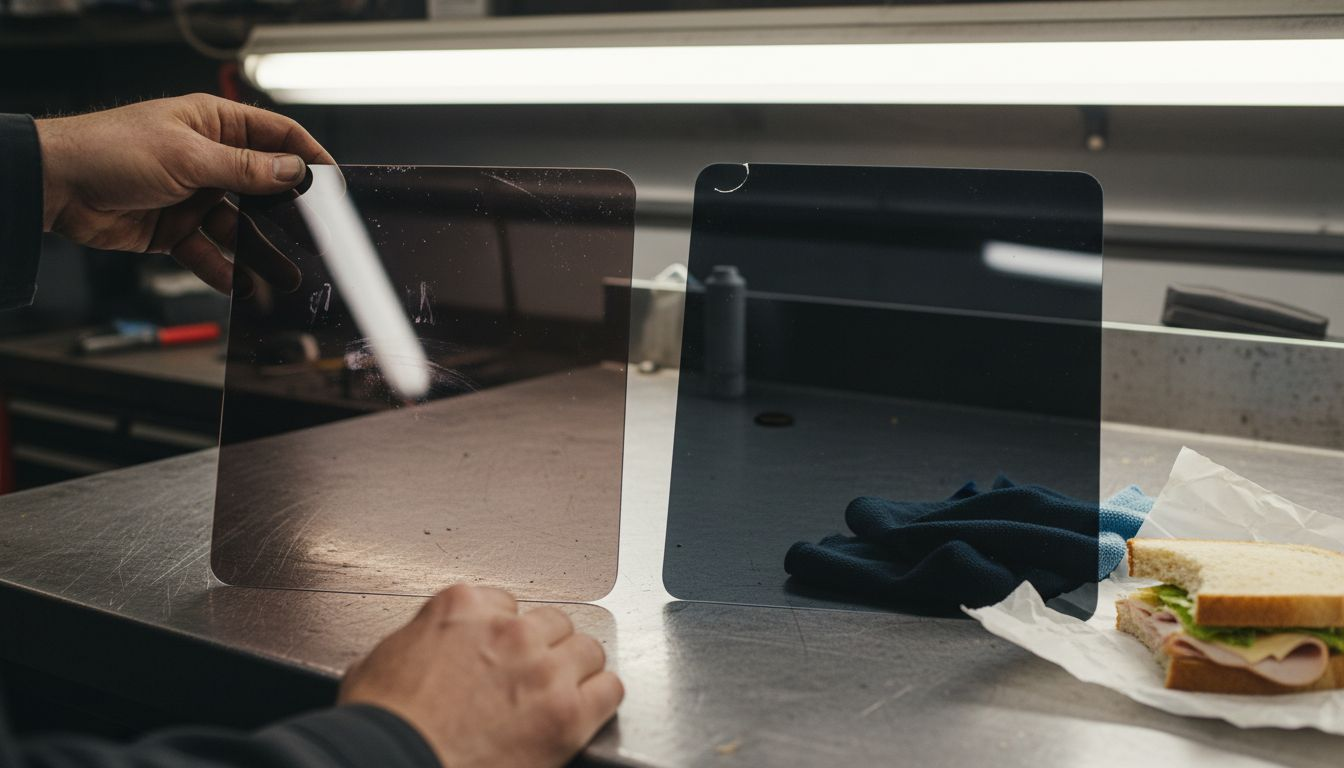
When comparing film technologies, ceramic window tints emerge as a premium solution for vehicle owners seeking comprehensive protection. These advanced films provide superior thermal insulation, reducing interior temperatures more effectively than standard options. They create a protective barrier that minimizes heat buildup, prevents interior fading, and maintains optimal visibility. While ceramic tints represent a higher initial investment, their long-term benefits in protecting vehicle interiors and enhancing driving comfort make them a superior choice for discerning car owners.
Here’s a comparison of ceramic window tinting versus traditional film options:
Criteria | Ceramic Window Tint | Dyed Film | Metallic Film |
Heat Rejection | Very high | Moderate | High |
UV Protection | Up to 99.9% | Moderate | High |
Signal Interference | None | None | Possible with electronics |
Color Stability | Long-lasting, resists fading | Prone to fading | Stable |
Cost | Highest | Lowest | Moderate |
Aesthetic Impact | Clear, minimal distortion | Can distort view | May reflect light |
Pro tip: Always request samples and compare ceramic tint performance specifications before making a final selection to ensure you receive the highest quality window film for your specific vehicle needs.
Core Benefits and Functionality for Vehicles
Ceramic window tinting offers a comprehensive suite of protective benefits that extend far beyond traditional window films, transforming vehicle interiors into climate-controlled sanctuaries. Reducing interior temperatures dramatically helps protect passengers and vehicle components from excessive heat and harmful ultraviolet radiation. By blocking a significant percentage of solar energy, ceramic tints create a cooler, more comfortable driving environment while simultaneously preserving the vehicle’s interior aesthetic and structural integrity.
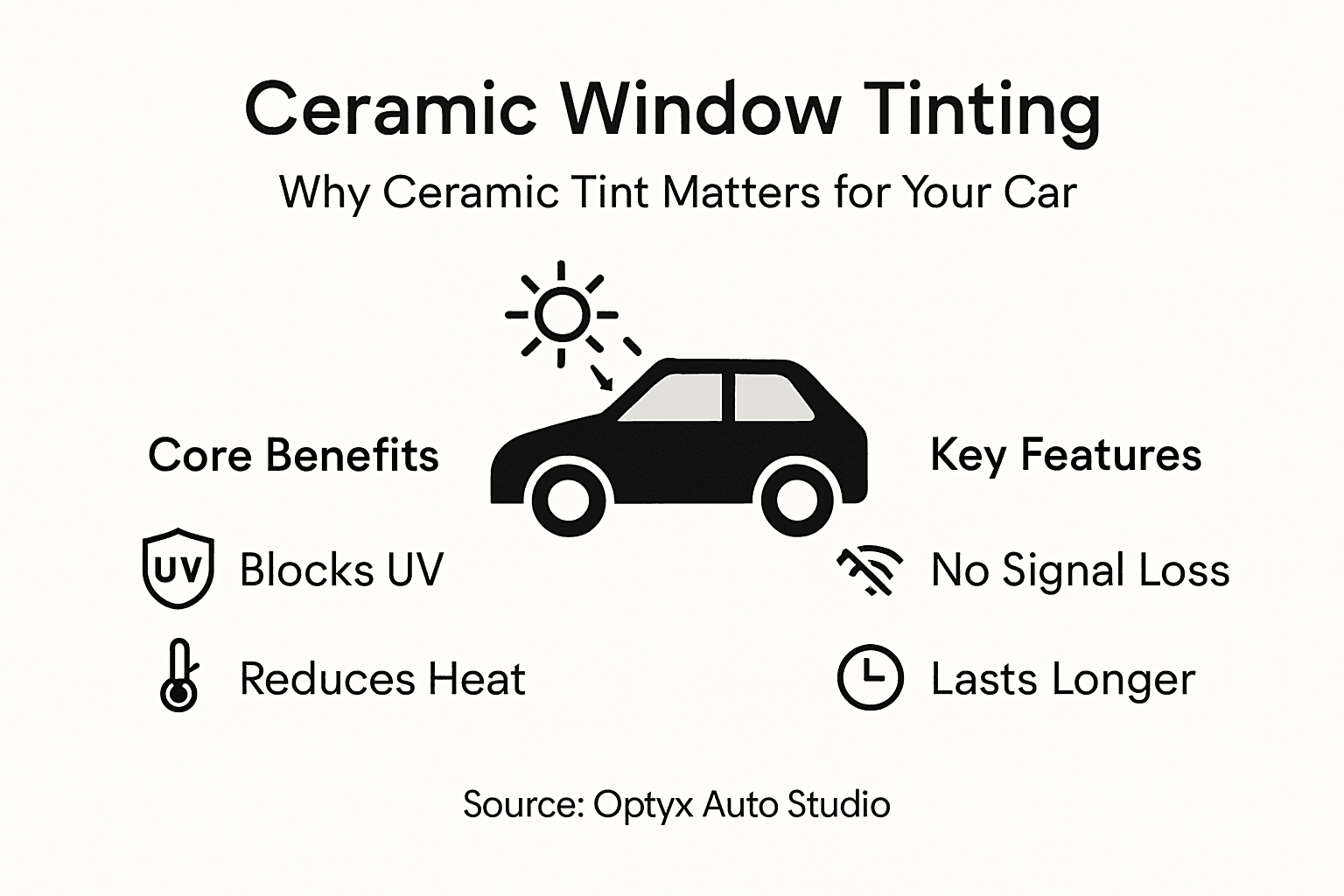
The functional advantages of ceramic window tints are multifaceted and impact vehicle performance in several critical areas. These advanced films provide superior heat rejection, which translates to reduced strain on air conditioning systems and improved fuel efficiency. They effectively block up to 99% of ultraviolet rays, preventing dashboard cracking, seat fabric fading, and leather degradation. Additionally, ceramic tints enhance driver safety by minimizing glare and reducing eye strain during challenging driving conditions like sunrise, sunset, and bright midday sunlight.
Beyond thermal and protective capabilities, ceramic window tints deliver substantial long-term value for vehicle owners. The non-metallic composition ensures no interference with electronic systems like GPS, cell phones, and radio signals – a common problem with traditional metallic window films. These advanced tints maintain their color stability and structural integrity over time, resisting bubbling, peeling, and discoloration that plague cheaper film alternatives. For vehicle owners seeking comprehensive protection, ceramic window tinting represents an investment in both aesthetic preservation and practical functionality.
Pro tip: Request professional installation and verify the specific heat rejection and UV protection ratings before selecting your ceramic window tint to ensure optimal performance.
Legal Rules for Tint Darkness and Placement
Window tint regulations represent a complex legal landscape that varies significantly across different states, requiring vehicle owners to carefully navigate local requirements. Visible Light Transmission percentages regulate tint darkness for each window, with strict guidelines designed to balance vehicle aesthetics, driver privacy, and public safety. These regulations typically specify allowable light transmission percentages for front windshields, front side windows, rear side windows, and rear windows, creating a nuanced framework that demands precise compliance.
The most critical legal considerations center on front window tinting, where safety concerns are paramount. Most jurisdictions permit only a non-reflective strip at the top of the windshield, typically above the manufacturer’s AS-1 line. Front side windows face the most restrictive requirements, with many states mandating that at least 70% of light must pass through the tint to ensure optimal visibility for drivers and law enforcement personnel. Rear windows and rear side windows often enjoy more lenient standards, allowing darker tints that provide increased privacy and heat protection.
Navigation of these legal requirements involves understanding several key factors beyond simple light transmission. Medical exemptions can modify standard tinting rules, allowing individuals with specific health conditions to obtain special permits for darker window treatments. Vehicle owners must also consider potential penalties, which can range from fix-it tickets and fines to more serious legal consequences that might include vehicle inspection failures or registration complications. Professional window tint installers typically maintain comprehensive knowledge of local regulations and can provide crucial guidance in selecting compliant tint options.
Pro tip: Always verify current local tinting regulations with your state’s Department of Motor Vehicles and request a professional consultation to ensure full legal compliance before installing window tints.
Comparing Costs, Durability, and DIY Risks
Ceramic window tinting represents a significant investment in vehicle protection, with costs and performance varying dramatically between professional and do-it-yourself approaches. Professional installation costs several hundred dollars more than traditional films, reflecting the advanced materials and specialized application techniques required. While the upfront expense might seem substantial, the long-term benefits of ceramic tinting – including superior UV protection, heat rejection, and interior preservation – often justify the initial investment for discerning vehicle owners.
Durability emerges as a critical factor when evaluating window tinting options, with professional installations offering substantially longer-lasting results compared to DIY attempts. Expert installers utilize precision cutting techniques and specialized application methods that minimize air bubbles, ensuring a flawless finish that can potentially last up to 25 years. DIY window film installations frequently result in premature failure, with common issues including bubbling, peeling, discoloration, and uneven application that compromise both aesthetic appeal and functional performance. Amateur installers often lack the specialized tools, technical skills, and controlled environments necessary to achieve professional-grade results.
Beyond immediate visual quality, DIY window tinting carries significant risks that extend far beyond simple cosmetic concerns. Improper installation can void manufacturer warranties, potentially create legal complications with vehicle inspection requirements, and compromise the fundamental protective qualities of the tint. Professional installers not only ensure precise application but also provide expertise in navigating local regulations, selecting appropriate tint grades, and maintaining the film’s protective characteristics. The marginal cost savings of a DIY approach are quickly negated by the potential expenses of correction, replacement, or potential legal penalties associated with incorrect installation.
For quick reference, here are the main risks and benefits of professional versus DIY tint installation:
Installation Type | Key Benefits | Common Risks | Typical Durability |
Professional | Flawless, long-lasting | Higher cost, scheduling | 15-25 years |
DIY | Lower cost, flexible | Bubbling, legal issues, warranty void | 1-3 years |
Pro tip: Request detailed quotes from multiple professional installers, comparing not just price but also warranty coverage, installation techniques, and product quality before making your final selection.
Choosing a Certified Installer for Quality Results
Selecting a certified window tint installer represents a critical decision that directly impacts the performance, durability, and aesthetic quality of your vehicle’s window treatment. Certified installers adhere to rigorous industry standards that ensure precise application, optimal film performance, and long-lasting protection. These professionals possess specialized training, advanced technical skills, and access to professional-grade tools that distinguish them from amateur or uncertified service providers.
The certification process involves comprehensive evaluation of an installer’s technical competence, professional knowledge, and commitment to best practices. Reputable certification organizations like the National Fenestration Rating Council (NFRC) require installers to demonstrate expertise in film selection, surface preparation, precise cutting techniques, and application methodology. Certified firms maintain accountability through ongoing education and strict adherence to manufacturer guidelines, which translates to superior installation quality and enhanced warranty protection for customers. These professionals understand nuanced factors like window surface conditions, vehicle-specific challenges, and advanced ceramic tint application techniques that amateur installers might overlook.
Beyond technical proficiency, certified installers provide comprehensive service that extends far beyond simple film application. They offer expert consultation on selecting the most appropriate ceramic tint for specific vehicle types, local climate conditions, and individual performance requirements. Certified professionals can navigate complex legal requirements, recommend tints that maximize heat rejection and UV protection, and ensure installation meets all manufacturer specifications. Their commitment to quality means customers receive not just a service, but a sophisticated, tailored solution that preserves vehicle aesthetics and provides long-term protective benefits.
Pro tip: Request proof of certification, ask to see portfolio examples, and verify warranty coverage before selecting a window tint installer to guarantee professional-grade results.
Elevate Your Ride with Expert Ceramic Window Tinting from Optyx Auto Studio
Ceramic window tinting offers unmatched heat rejection and UV protection but requires precise installation to unlock its full potential. Many vehicle owners struggle with fading, bubbling, or legal compliance when choosing lower-quality or DIY tint options. At Optyx Auto Studio, we address these challenges head-on by combining premium ceramic tint films with certified expert installers who understand the intricacies of film selection, application, and state regulations.
Discover how our meticulous approach to ceramic window tinting not only safeguards your vehicle’s interior from heat damage and sun fading but also enhances your driving comfort and style. Don’t settle for anything less than long-lasting, signal-friendly, crystal-clear performance. Visit Optyx Auto Studio today to learn more about our full range of automotive protection services including ceramic coatings, paint correction, and custom styling tailored to your needs. Take the first step toward premium vehicle protection and schedule your consultation now to experience the difference precision and quality make.
Frequently Asked Questions
What is ceramic window tinting?
Ceramic window tinting is an advanced automotive protection technology that utilizes multilayered films infused with microscopic nonconductive ceramic particles. This technology blocks significant amounts of heat, ultraviolet radiation, and infrared light without compromising visibility.
How does ceramic tinting differ from traditional window films?
Unlike traditional dyed or metallic films, ceramic window tints provide superior thermal rejection, do not interfere with electronic signals, and maintain their color stability over time, preventing fading and discoloration.
What are the benefits of ceramic window tinting for vehicles?
Ceramic window tinting reduces interior temperatures, protects against harmful UV rays, preserves the vehicle’s interior, minimizes glare, and enhances passenger comfort, all while improving fuel efficiency by reducing air conditioning strain.
Are there legal regulations for window tint darkness?
Yes, regulations for tint darkness vary by state and set specific limits for visible light transmission percentages for different windows. It’s essential to check local laws to ensure compliance before applying window tints.
Recommended


Comments