
Role of UV Protection in Tinting – Safeguarding Luxury Cars

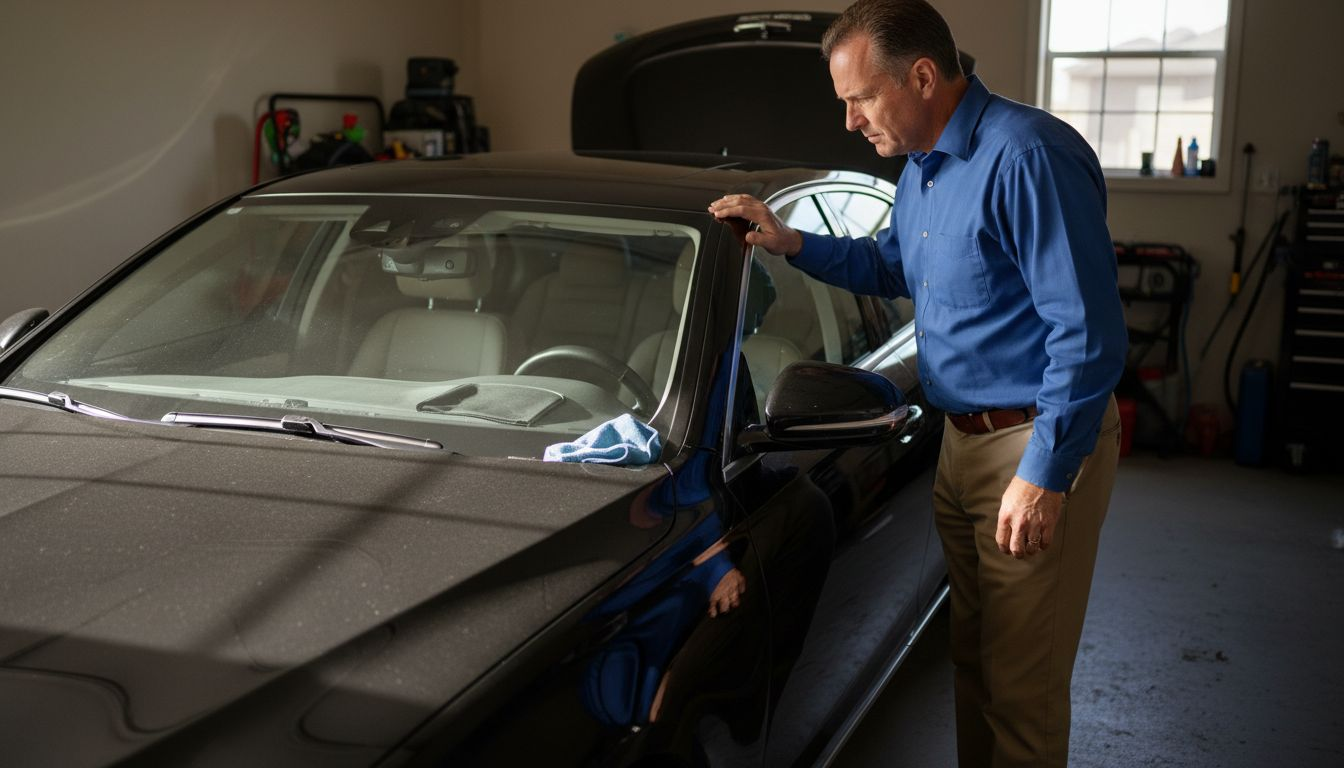
Nearly 99 percent of harmful ultraviolet rays from Spokane’s intense sunlight can be blocked by high-quality ceramic window tints, offering a powerful solution for protecting luxury vehicles. For American car owners who cherish both aesthetics and integrity, understanding UV protection goes far beyond looks. Discover how advanced tinting technology shields your vehicle’s interior materials, preserves value, and keeps passengers comfortable during every drive.
Table of Contents
Key Takeaways
Point | Details |
UV Protection is Essential | Quality window tinting films block up to 99% of harmful UV rays, protecting vehicle interiors and occupants effectively. |
Choose the Right Film | Luxury vehicle owners should prioritize ceramic or nano-ceramic films for superior UV rejection and durability. |
Impact on Vehicle Value | Effective UV protection helps preserve the condition of interior materials, which can significantly enhance resale value. |
Avoid Common Mistakes | Always verify tint specifications and comply with local regulations to avoid legal complications and ensure maximum protection. |
UV Protection in Tinting Explained
Window tinting represents more than aesthetic enhancement for luxury vehicle owners. At its core, the technology provides critical ultraviolet (UV) protection that safeguards both vehicle interiors and occupants from potentially damaging solar radiation. Window tinting films are engineered thin laminates designed to filter harmful wavelengths while maintaining optical clarity.
UV radiation comprises multiple wavelength ranges, with UV-A and UV-B being particularly concerning for automotive environments. These invisible light spectrums can cause significant damage to leather upholstery, dashboard materials, and even human skin during extended driving periods. Premium ceramic window tints block up to 99% of these destructive rays, preventing color fading, material degradation, and potential long-term health risks associated with prolonged solar exposure.
The science behind UV protection in automotive tinting involves sophisticated material engineering. Modern window films utilize advanced polymers like polyethylene terephthalate (PET) combined with specialized coating technologies that selectively filter solar radiation. Ultraviolet light blocking occurs at the molecular level, with ceramic and nano-ceramic films offering superior performance compared to traditional dyed or metallized options.
Pro tip: When selecting window tinting, prioritize ceramic films with high UV rejection ratings to maximize long-term vehicle interior protection and personal comfort.
Types of Window Tint and UV Blocking
Luxury vehicle owners have multiple options when selecting window tints, each with unique characteristics and UV protection capabilities. Window film technologies range from traditional dyed films to advanced ceramic and nano-ceramic solutions, offering progressively sophisticated UV blocking mechanisms designed to protect vehicle interiors and occupants.
The most common window tint types include dyed, metallized, hybrid, and ceramic films. Dyed films provide basic UV protection and aesthetic appeal but have limited heat rejection capabilities. Metallized films incorporate metal layers that reflect infrared radiation and block UV rays more effectively, creating a more robust protective barrier. Hybrid films combine dyed and metallized technologies to balance performance and appearance, while ceramic films represent the pinnacle of UV protection technology.
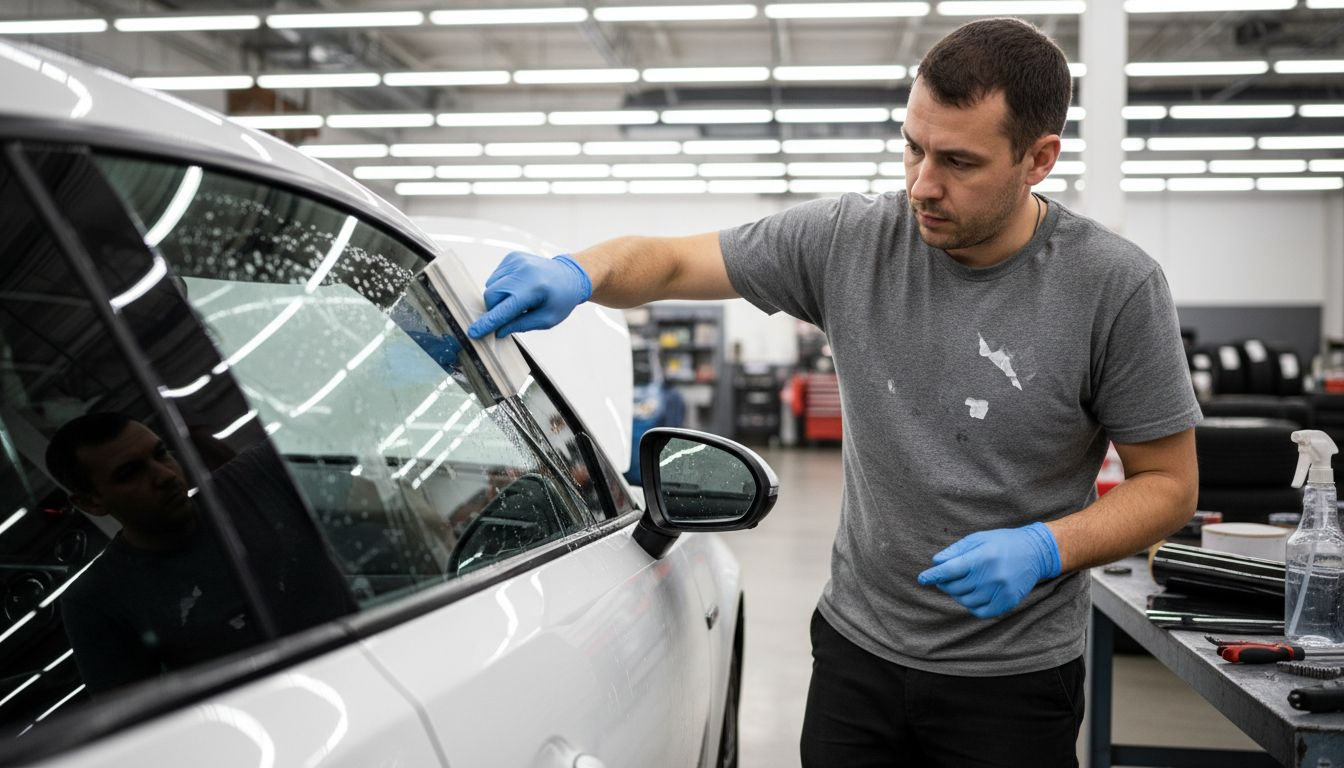
Advanced nanotechnology films offer superior performance, blocking up to 99% of ultraviolet radiation without compromising visibility or creating color distortions. These cutting-edge window tints utilize ceramic nanoparticles that selectively filter harmful wavelengths while maintaining optimal light transmission. Ceramic tints provide exceptional heat rejection, UV protection, and durability compared to traditional film types, making them an ideal choice for discerning luxury vehicle owners seeking comprehensive interior protection.
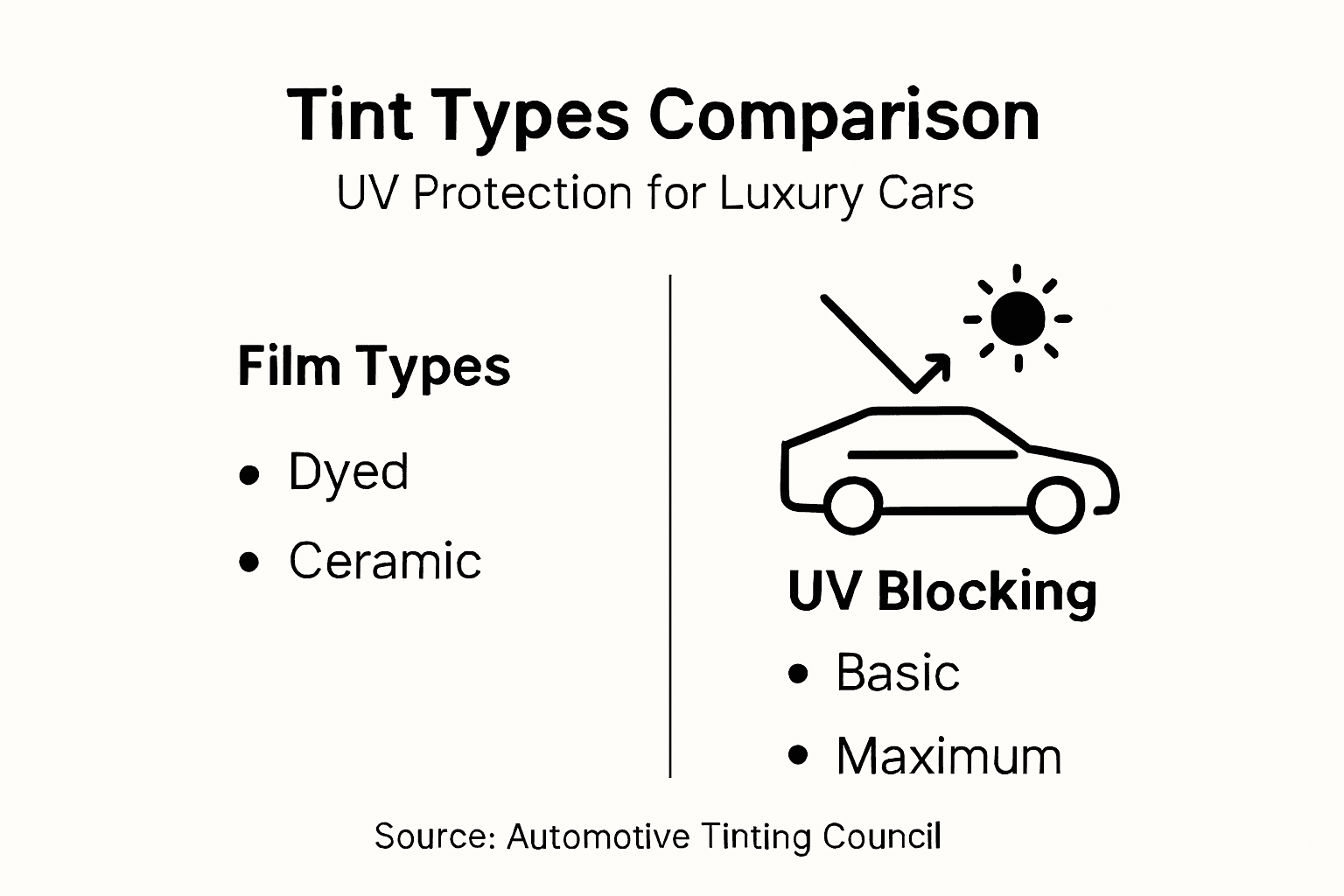
Here’s a comparison of common window tint types and their key UV protection features:
Tint Type | UV Protection Level | Durability | Clarity and Appearance |
Dyed | Basic, blocks ~50% UV | Moderate, may fade | Darker, possible discoloration |
Metallized | High, blocks >80% UV | High, can corrode | Slight reflection, metallic sheen |
Hybrid | Good, blocks ~90% UV | High, less glare | Balanced, neutral look |
Ceramic/Nano | Superior, up to 99% UV | Excellent, long-lasting | Clear, no color distortion |
Pro tip: When selecting window tint, prioritize ceramic or nano-ceramic films with high UV rejection ratings and guaranteed color stability to maximize long-term vehicle interior protection.
How UV Film Shields Interiors and Skin
Ultraviolet radiation poses significant risks to both vehicle interiors and human health, making window tinting a critical protective measure for luxury car owners. Window films effectively block harmful UV rays, creating a comprehensive shield that prevents cellular damage and material degradation. These specialized films act as a sophisticated barrier, intercepting ultraviolet wavelengths before they can cause lasting harm to skin, upholstery, and interior components.
The protective mechanism of UV window films involves selective filtration of different radiation types. By blocking up to 99% of UVA and UVB rays, these films dramatically reduce the risk of skin damage, premature aging, and potential long-term health complications associated with prolonged sun exposure. Interior materials like leather seats, dashboard panels, and trim components benefit equally, with UV protection preventing color fading, material breakdown, and structural weakening that can compromise a vehicle’s aesthetic and structural integrity.
Comprehensive UV protection strategies recommend multiple layers of defense, with window tinting serving as a critical first line of protection. Professional-grade window films not only block harmful radiation but also help regulate interior temperatures, reducing heat buildup and minimizing the potential for sun-related damage. This multi-functional approach ensures that luxury vehicle owners can enjoy enhanced comfort, preservation of interior aesthetics, and significant health protection during daily driving.
Pro tip: Choose ceramic window tints with high UV rejection ratings and professional installation to maximize protection for both your vehicle’s interior and your personal health.
UV Protection’s Impact on Car Value
Luxury vehicle owners understand that maintaining a car’s aesthetic and structural integrity directly influences its long-term market value. UV radiation damage significantly affects vehicle preservation, causing progressive deterioration of interior materials and exterior finishes that can dramatically reduce resale potential. Window tinting emerges as a strategic investment that protects against these subtle yet destructive environmental factors.
The financial implications of UV protection extend far beyond cosmetic concerns. Interior components like leather seats, dashboard panels, and trim materials are particularly vulnerable to sun-induced degradation. By blocking up to 99% of harmful ultraviolet rays, high-quality window tints prevent color fading, material cracking, and structural weakening that can substantially diminish a vehicle’s market value. Professional-grade ceramic tints create an invisible barrier that preserves the pristine condition luxury car owners demand.
Resale market trends consistently demonstrate that well-maintained vehicles command significantly higher prices. Window tinting represents a proactive maintenance strategy that protects against sun-related wear, helping luxury car owners maintain their vehicle’s aesthetic appeal and structural integrity. By minimizing interior degradation and preventing premature aging, UV-protective window films can potentially increase a vehicle’s resale value and attract more discerning buyers who prioritize meticulous vehicle care.
Below is a summary showing how UV protection impacts luxury vehicle value:
Impact Area | UV Exposure Effect | With UV Tint |
Leather Seats | Fading, cracking | Preserved color and texture |
Dashboard Panels | Warping, discoloration | Lasting finish and structure |
Resale Value | Decreased market price | Higher retained value |
Interior Comfort | Elevated heat, discomfort | Cooler, protected interiors |
Pro tip: Invest in professional ceramic window tinting as a preventative maintenance strategy to preserve your luxury vehicle’s value and aesthetic appeal.
Choosing Tint: Mistakes to Avoid
Navigating window tint selection requires careful consideration to avoid common pitfalls that can compromise protection, aesthetics, and legal compliance. Window tinting legal requirements vary significantly across states, making it crucial for luxury vehicle owners to understand local regulations before making a selection. Overlooking these critical details can result in costly fines, mandatory film removal, and potential vehicle inspection complications.
Quality and installation represent another critical dimension of successful window tinting. Inferior films deteriorate rapidly, losing UV protection and creating unsightly visual defects like bubbling, peeling, and discoloration. Professional-grade ceramic tints offer superior durability and performance, blocking up to 99% of harmful radiation while maintaining optical clarity. Attempting DIY installations frequently leads to poor adhesion, uneven application, and compromised protective capabilities that diminish the intended benefits of window tinting.
UV protection effectiveness depends on selecting scientifically verified films with documented blocking capabilities. Many vehicle owners mistakenly choose tints based solely on aesthetic preferences or price, neglecting critical performance metrics like UV transmission rates and heat rejection. Comprehensive research, professional consultation, and understanding the specific protective requirements of luxury vehicles are essential to making an informed tinting decision that preserves both vehicle value and occupant health.
Pro tip: Always verify a window tint’s technical specifications, UV blocking percentage, and professional installation credentials before making a final selection.
Elevate Your Luxury Car’s Protection with Expert Ceramic Tinting
The article highlights the critical challenge luxury car owners face in shielding their vehicle interiors and occupants from harmful ultraviolet radiation that causes fading, cracking, and health risks. With UV rays able to deteriorate leather, dashboards, and trim while reducing resale value, the need for premium UV blocking solutions is clear. Choosing the right tint type, especially advanced ceramic films with up to 99 percent UV rejection, is essential for long-lasting protection and preserving your car’s pristine condition.
At Optyx Auto Studio, we understand that your vehicle deserves more than just basic coverage. Our expert team specializes in ceramic window tinting and other protective enhancements designed to maximize UV defense while maintaining crystal-clear clarity and aesthetic elegance. Every installation is handled by certified professionals using top-tier products that blend durability, heat rejection, and flawless appearance with minimal visible film edges.
Protect your investment with our elite tinting services crafted for discerning car enthusiasts who demand excellence. Visit Optyx Auto Studio now to schedule your consultation and experience the difference of expert-grade UV protection designed to safeguard your luxury vehicle’s interior and your personal comfort for years to come. Don’t wait until sun damage has already taken its toll take the first step towards lasting protection and enhanced value today.
Frequently Asked Questions
What is UV protection in window tinting?
UV protection in window tinting refers to the capability of window films to block harmful ultraviolet (UV) rays, specifically UV-A and UV-B, that can cause damage to vehicle interiors and occupants’ skin.
How do different types of window tints compare in UV protection?
Window tints vary in UV protection levels, with dyed films providing basic protection (blocks ~50% UV) and ceramic films offering superior performance by blocking up to 99% of UV radiation, effectively safeguarding both interiors and health.
What are the benefits of using ceramic window tints?
Ceramic window tints offer excellent UV protection, superior durability, and maintain optical clarity. They block up to 99% of harmful rays, preventing color fading and material degradation, while also reducing interior heat.
How does UV radiation affect the value of luxury vehicles?
UV radiation can contribute to the deterioration of interior materials and finishes, leading to reduced resale value. High-quality window tinting helps protect against this damage, preserving a vehicle’s condition and potentially increasing its market worth.
Recommended


Comments