
7 Essential Steps for Your Paint Protection Film Checklist
- optyxautostudio
- Feb 18
- 8 min read

Protecting your vehicle’s paint from everyday hazards can feel overwhelming. Chips, scratches, and environmental contaminants seem to strike when you least expect it, leaving lasting marks on your investment. The good news is that you can avoid these frustrations with the right paint protection film and expert installation strategies. This list will walk you through actionable steps and insider techniques that directly impact the quality and durability of your paint protection film. You’ll discover how professionals inspect surfaces, select high-quality materials, and achieve a seamless, bubble-free finish—so your vehicle stays looking immaculate. Get ready to learn exactly what it takes to safeguard your car’s appearance and guarantee long-lasting results.
Table of Contents
Quick Summary
Takeaway | Explanation |
1. Inspect Paint Surface Thoroughly | A detailed inspection ensures maximum adhesion and quality of paint protection film installation. |
2. Choose High-Quality Film | Select films based on thickness, durability, and self-healing properties for optimal performance. |
3. Use Certified Installers | Professional expertise ensures proper installation, preventing issues like bubbles and peeling. |
4. Minimize Visible Edges | Proper techniques help achieve a seamless look while reducing potential lifting or damage. |
5. Schedule Regular Maintenance | Consistent inspections and care extend the life and effectiveness of the protective film. |
1. Inspect Paint Surface Before Film Application
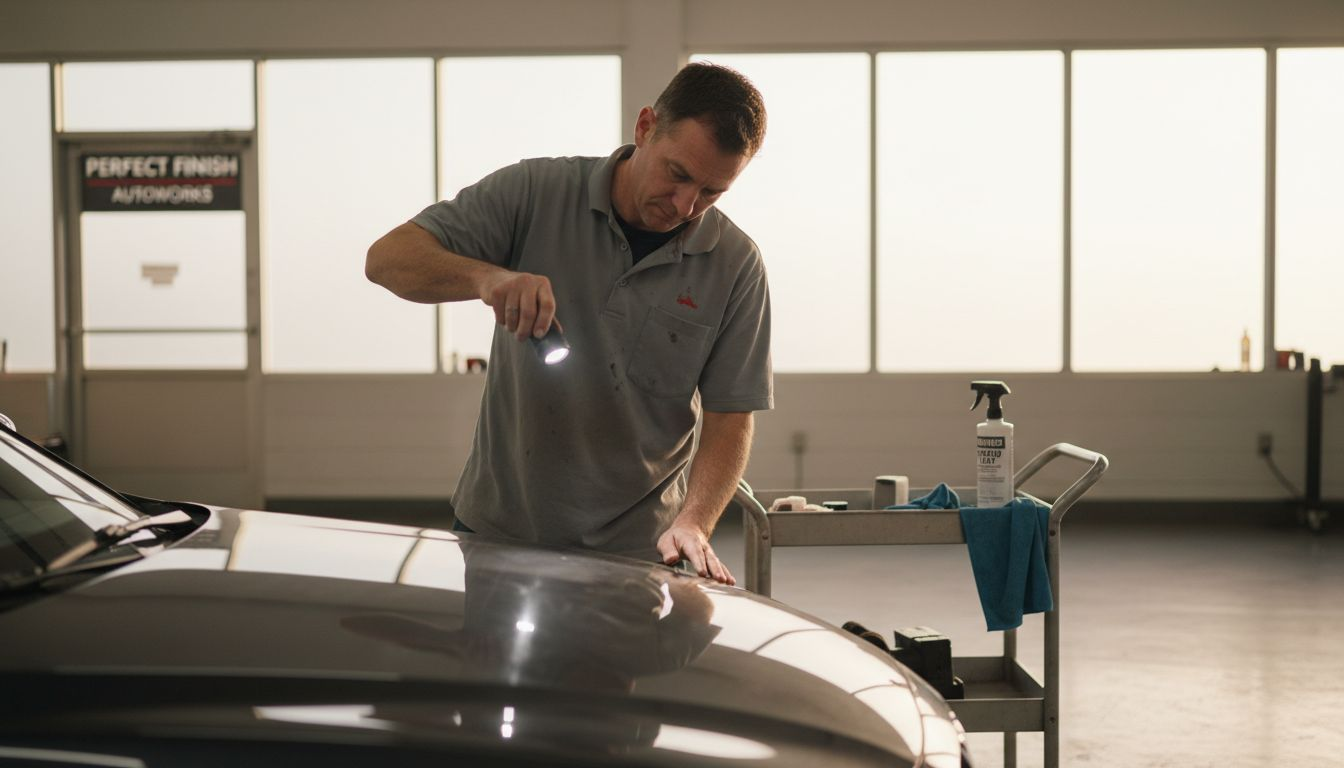
Before applying paint protection film, a comprehensive surface inspection is the foundation of a flawless installation. Automotive professionals understand that the condition of your vehicle’s paint directly impacts the quality and longevity of the protective film.
The initial inspection involves a detailed examination of your vehicle’s paint surface for several critical elements:
Paint imperfections such as swirl marks or light scratches
Existing contaminants like road grime or industrial fallout
Paint depth and oxidation levels
Surface smoothness and overall paint health
According to surface preparation standards, proper inspection requires meticulous attention to detail. Professional detailers use specialized lighting and tactile techniques to identify even microscopic irregularities that could compromise film adhesion.
A clean and perfectly prepared surface is the most critical factor in achieving a seamless paint protection film installation.
The inspection process typically involves multiple steps:
Thorough washing to remove surface contaminants
Clay bar treatment to extract embedded particles
Precise visual and tactile surface examination
Potential paint correction for significant imperfections
By thoroughly inspecting the paint surface before film application, you ensure maximum adhesion, minimal visible edges, and a professional-grade result that protects your vehicle’s appearance.
Pro Tip: Use a bright LED light at a 45-degree angle to reveal even the smallest surface imperfections that might interfere with paint protection film installation.
2. Choose Quality Paint Protection Film Materials
Selecting the right paint protection film is crucial for maintaining your vehicle’s aesthetic and structural integrity. Not all protective films are created equal.
When evaluating paint protection film materials, consider these critical characteristics:
Thickness and durability
Self-healing properties
UV resistance
Clarity and transparency
Flexibility and conformability
The best types of paint protection film are engineered using thermoplastic urethane materials designed to withstand significant environmental challenges. These high-performance films provide comprehensive protection against stone chips, minor abrasions, and UV degradation.
Quality paint protection film is an investment in your vehicle’s long-term appearance and value.
Key considerations when selecting materials include:
Material composition
Manufacturer certifications
Performance specifications
Warranty coverage
Professional installation compatibility
Professional-grade paint protection films offer superior molecular self-healing technology that allows minor scratches to disappear when exposed to heat, maintaining a pristine surface appearance.
Pro Tip: Always request material specification sheets and verify the film’s OEM approval before making a final selection.
3. Ensure Certified Professional Installation
The success of paint protection film depends entirely on the skill and expertise of the installation professional. Attempting a DIY application can lead to catastrophic results that compromise your vehicle’s appearance and protection.
Certified installers bring critical expertise to the paint protection process:
Precision cutting techniques
Seamless edge placement
Minimal visible film edges
Proper surface preparation
Advanced application methods
The Coating Inspector Program provides rigorous training that ensures professionals understand the complex nuances of protective film installation. These certified experts know exactly how to prevent common issues like air bubbles, peeling, and improper adhesion.
Professional certification is not just a credential. It is a guarantee of quality and expertise.
When selecting an installer look for specific qualifications:
Industry-recognized certification
Documented installation experience
Portfolio of previous work
Manufacturer-approved training
Positive customer reviews
Professional installation transforms paint protection film from a basic protective layer into a precision automotive enhancement that maintains your vehicle’s pristine appearance.
Pro Tip: Request to see an installer’s certification documents and ask about their specific training in paint protection film application before committing to the service.
4. Minimize Visible Film Edges for a Clean Look
A flawless paint protection film application is characterized by its invisibility. The goal is a seamless finish that looks like the vehicle’s original paint while providing superior protection.
Key strategies for minimizing visible film edges include:
Precision cutting techniques
Wraparound installation methods
Advanced computer-aided design
Specialized trimming tools
Professional training
Professionals use stripe coating techniques to reinforce vulnerable areas and create a uniform protective layer. These methods focus on seamlessly integrating the film with the vehicle’s complex contours.
The difference between an average and exceptional paint protection film installation is in the details.
Critical steps to achieve invisible edges include:
Use high-precision cutting plotters
Apply film with minimal tension
Utilize heat and pressure techniques
Trim precisely around complex curves
Smooth edges during installation
Professional installers understand that clean film edges are not just about aesthetics but also about preventing potential lifting or damage over time.
Pro Tip: Request to see close-up photographs of previous installations to assess an installer’s skill in minimizing visible film edges.
5. Check for Proper Coverage on High-Impact Areas
Not all vehicle surfaces are created equal when it comes to protection needs. Certain areas are significantly more vulnerable to damage from road debris and environmental challenges.
High-impact areas requiring comprehensive paint protection film coverage include:
Front hood
Front fenders
Side mirrors
Front bumper
Rocker panels
Lower door sections
Rear wheel guards
Professionals rely on specific protection standards to ensure complete and effective film coverage. These standards guide precise application techniques that maximize vehicle protection.
Strategic film coverage is your vehicle’s first line of defense against potential damage.
Detailed coverage assessment involves:
Identifying most vulnerable surface areas
Measuring precise film dimensions
Ensuring complete edge-to-edge protection
Checking for potential gaps or discontinuities
Verifying film adherence to complex contours
Comprehensive paint protection film coverage prevents microscopic damage that can accumulate and compromise your vehicle’s aesthetic and structural integrity.
Pro Tip: Request a detailed walkthrough of your specific vehicle’s recommended protection zones during the initial consultation with your installer.
6. Confirm Film Adhesion and Bubble-Free Finish
A flawless paint protection film installation requires more than just visual appeal. Perfect adhesion and a completely bubble-free surface are critical for long-term protection and aesthetic quality.
Key indicators of proper film installation include:
Smooth surface texture
No visible air pockets
Complete edge sealing
Uniform film tension
Zero visible imperfections
Professionals use adhesion testing methods to evaluate the quality of paint protection film application. These rigorous techniques help identify potential issues before they become long-term problems.
A bubble-free finish is not a luxury. It is a fundamental requirement of professional paint protection film installation.
Detailed adhesion confirmation involves:
Tactile surface inspection
Light angle examination
Tape adhesion testing
Pressure point verification
Edge seal assessment
Precision film application requires meticulous attention to detail and professional-grade techniques that minimize potential installation defects.
Pro Tip: Ask your installer to demonstrate their adhesion verification process and request a detailed walkthrough of how they ensure a bubble-free finish.
7. Schedule Maintenance and Annual Inspections
Paint protection film is not a set-it-and-forget-it solution. Regular maintenance and professional inspections are crucial to preserving its protective capabilities and aesthetic performance.
Essential maintenance considerations include:
Professional annual evaluations
Surface condition monitoring
Early damage detection
Cleaning and care protocols
Preventative repair strategies
Professionals rely on quality control inspection methods to ensure ongoing film integrity and performance. These systematic approaches help identify potential issues before they become significant problems.
Proactive maintenance is the key to maximizing your paint protection film’s longevity and effectiveness.
An effective maintenance strategy involves:
Scheduling annual professional inspections
Documenting film condition
Addressing minor imperfections promptly
Following manufacturer cleaning guidelines
Tracking environmental exposure
Comprehensive maintenance preserves your vehicle’s protective film investment and ensures continued aesthetic excellence.
Pro Tip: Create a digital maintenance log to track your paint protection film’s condition and schedule regular professional evaluations.
Below is a comprehensive table summarizing the main strategies and considerations for achieving effective paint protection film application, as discussed in the article.
Aspect | Key Details | Benefits |
Paint Surface Inspection | Conduct thorough cleaning and visual inspection to identify and correct imperfections. | Ensures optimal adhesion and a smooth finish. |
Material Selection | Choose high-quality films with characteristics such as self-healing and UV resistance. | Provides long-lasting protection and visual clarity. |
Professional Installation | Rely on certified professionals with advanced skills for application techniques. | Guarantees durability, proper adhesion, and aesthetics. |
Minimizing Edges | Employ advanced tools and methods like precision cutting to blend edges seamlessly. | Achieves an invisible, flawless finish. |
Coverage in Key Areas | Focus protection on high-impact zones like bumpers and fenders. | Enhances protection in areas prone to damage. |
Adhesion Quality | Verify bubble-free adhesion and smooth texture through meticulous methods. | Ensures the durability and effectiveness of the film. |
Maintenance and Inspections | Schedule regular evaluations and follow recommended care guidelines. | Prolongs the life and performance of the protective layer. |
Protect Your Vehicle with Expert Paint Protection Film Services
The article highlights the critical steps every vehicle owner must consider before paint protection film installation. From meticulous surface inspection and choosing quality materials to ensuring certified professional installation and bubble-free finishes these challenges impact the ultimate durability and appearance of your vehicle’s protection. If you aim to minimize visible film edges maintain proper adhesion, and ensure coverage across high-impact zones the expertise and precision described are essential.
Choose Optyx Auto Studio for your paint protection film needs and experience the difference that over 35 years of experience and certified installers bring to the process. Our premium services include precise paint protection film applications tailored to preserve your vehicle’s finish and enhance its aesthetic appeal. Ready to protect your investment with long-lasting quality and flawless results? Visit Optyx Auto Studio today and discover how our comprehensive solutions align perfectly with every step from your paint protection film checklist. Start your journey to automotive perfection now by exploring our expert restyling and protection services at Optyx Auto Studio Premium Services.
Frequently Asked Questions
What should I inspect on my vehicle before applying paint protection film?
Before applying paint protection film, inspect the paint surface for imperfections like swirl marks or scratches, existing contaminants, and overall paint health. Thoroughly wash your vehicle and use a clay bar treatment to ensure a clean surface before proceeding with the installation.
How do I choose quality paint protection film materials?
Choose paint protection film by evaluating its thickness, durability, and features like self-healing properties and UV resistance. Look for films made of thermoplastic urethane that offer comprehensive protection and ensure they have manufacturer certifications.
Why is professional installation important for paint protection film?
Professional installation is crucial as it ensures precise application and minimizes potential issues like air bubbles and peeling. Hire a certified installer to guarantee quality work, which can significantly enhance the film’s performance and longevity.
How can I ensure minimal visible film edges after installation?
To achieve minimal visible film edges, opt for precision cutting techniques and advanced application methods during installation. Discuss with your installer about using specialized trimming tools and strategies to seamlessly integrate the film into your vehicle’s contours.
What high-impact areas should be covered with paint protection film?
Important high-impact areas that require comprehensive coverage include the front hood, front fenders, side mirrors, and the front bumper. Confirm with your installer that these vulnerable surfaces are fully protected to prevent damage from road debris.
How often should I schedule maintenance and inspections for my paint protection film?
Schedule annual maintenance and professional inspections to monitor the condition of your paint protection film. Regular check-ups are essential for early damage detection and preserving the film’s protective capabilities.
Recommended


Comments