
Ceramic Coating vs Wax: Maximizing Protection and Shine
- optyxautostudio
- Jan 24
- 11 min read

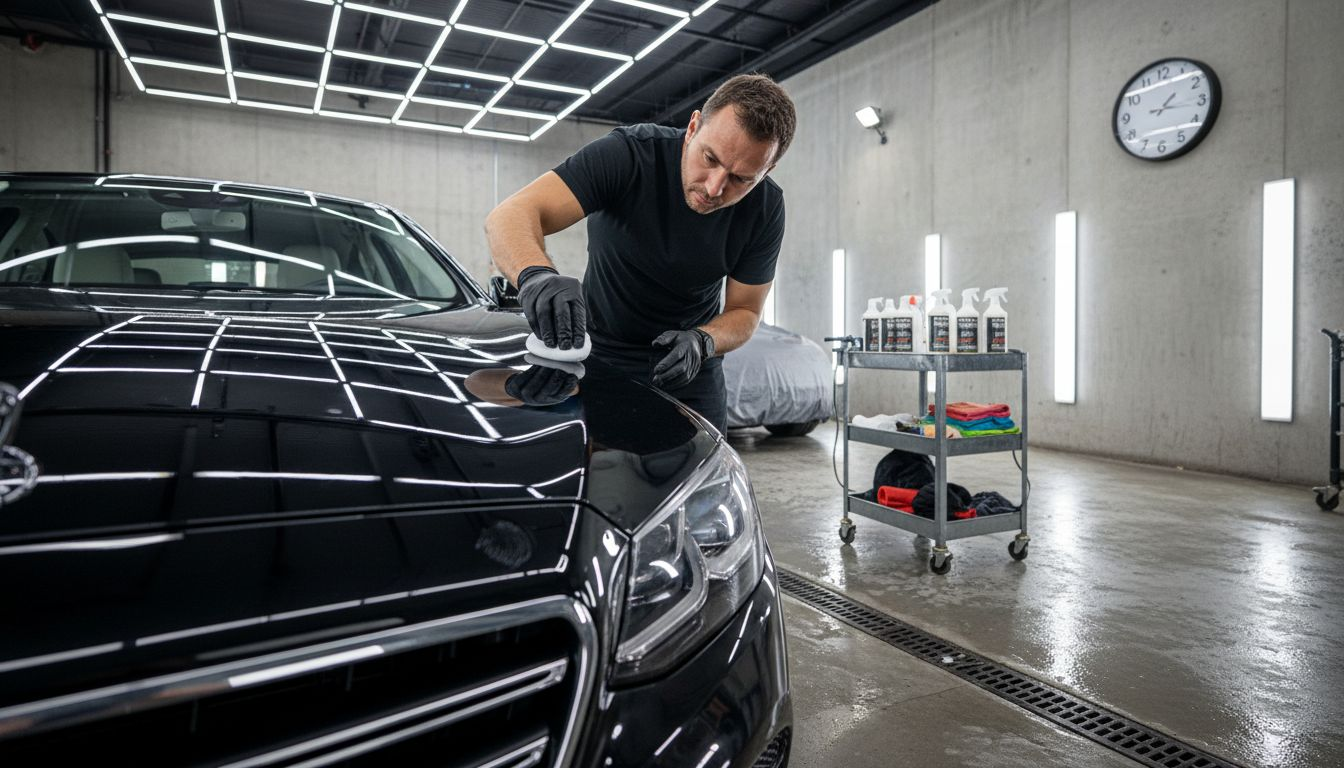
Choosing the best protection for your luxury vehicle is never as simple as picking the most popular product off the shelf. For Spokane car enthusiasts, the debate between ceramic coating and wax comes down to what truly safeguards your investment through unpredictable Pacific Northwest weather and intense sun. Understanding how these options differ in material, application, and long-term value empowers you to make a decision that fits both your lifestyle and your vehicle’s needs.
Table of Contents
Key Takeaways
Point | Details |
Ceramic Coating vs. Wax | Ceramic coating offers long-lasting protection (3-5 years), while wax requires frequent reapplication (every 3-6 months). |
Professional Application | Proper application of ceramic coating requires expert techniques, while wax can be easily applied at home. |
Cost-Effectiveness | Although ceramic coating has a higher upfront cost, its long-term value and reduced maintenance make it more economical over time. |
Maintenance Requirements | Ceramic coatings require minimal upkeep, contrasting with the frequent maintenance needed for wax to maintain effective protection. |
Defining Ceramic Coating and Wax
When you’re deciding between ceramic coating and wax for your vehicle’s paint protection, you need to understand what you’re actually choosing between. These two products operate on completely different principles, have different compositions, and deliver different levels of protection. The confusion between them is understandable because both sit on your paint’s surface, both add shine, and both promise protection. But that’s where the similarities end.
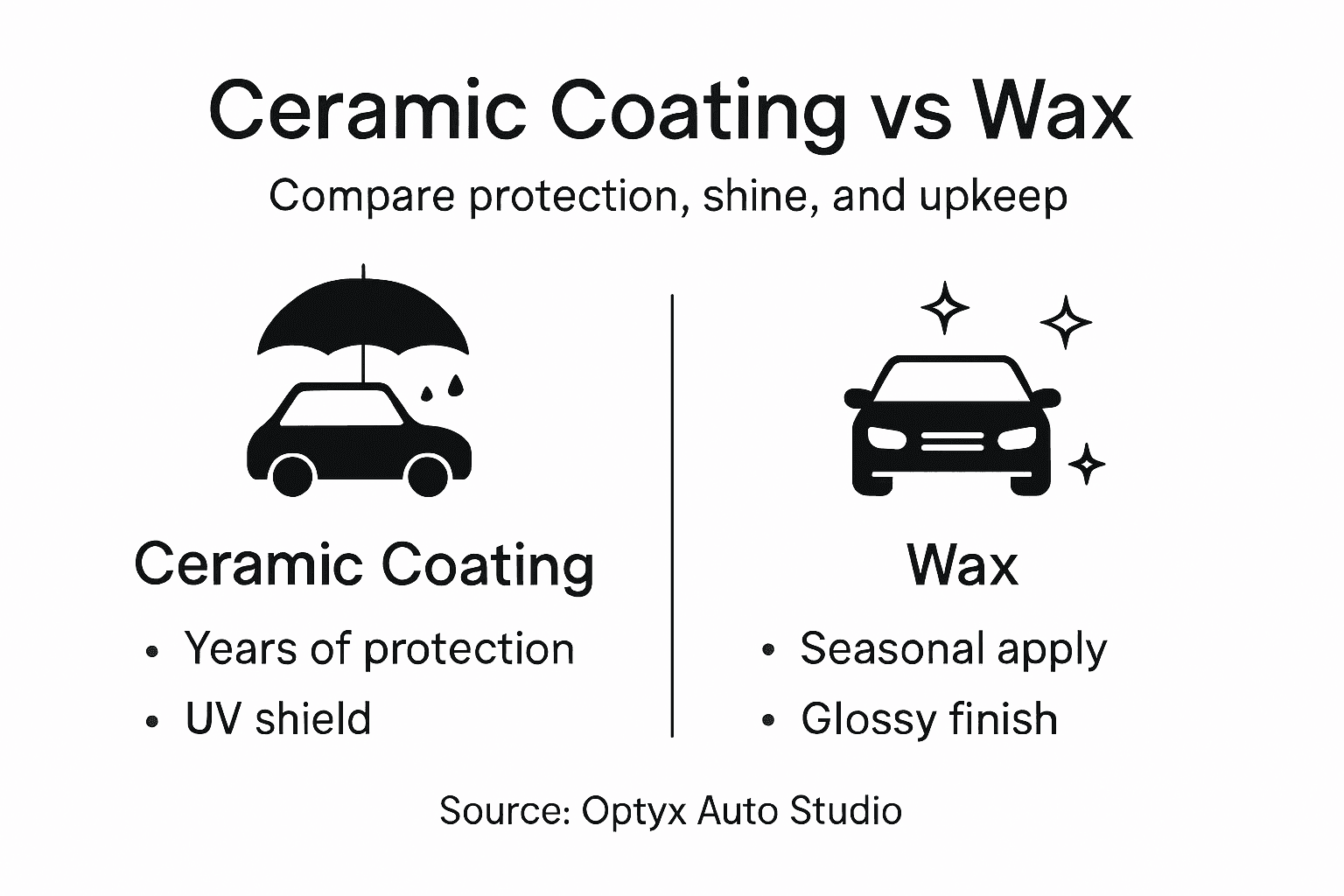
Ceramic coating is an advanced synthetic product created through nanotechnology. It forms a chemical bond with your vehicle’s clear coat, creating a hard, glass-like layer that becomes an integral part of your paint’s surface. This coating is made from inorganic materials, giving it exceptional durability and heat resistance. Ceramic coatings are derived from materials that are crystalline in nature and chemically inert, which explains why they can withstand harsh environmental conditions, extreme temperatures, and aggressive cleaning methods without breaking down. Once properly applied by a professional like our team at Optyx Auto Studio, a ceramic coating will last anywhere from three to five years or longer, depending on the product quality and your maintenance habits.
Wax, by contrast, is a traditional organic compound that sits on top of your clear coat without bonding to it. Think of it as a temporary shield rather than a permanent enhancement. Wax provides excellent shine and offers basic protection against environmental contaminants, UV rays, and minor water damage. However, because it’s an organic material with softer characteristics, it gradually breaks down through washing, weather exposure, and time. You’ll typically need to reapply wax every three to six months to maintain protection. The foundational characteristics of wax coatings show they excel at adding aesthetic appeal and temporary protection, but they lack the hardness and chemical stability that ceramic coatings offer.
For luxury vehicle owners in Spokane who want protection that lasts through harsh winters and intense sun exposure, understanding this distinction is crucial. Ceramic coating aligns with the high-end, detail-oriented approach that luxury car ownership demands. Wax works best as a maintenance layer between ceramic coating applications or for owners who prefer regular detailing routines. Your choice depends on your commitment level, budget, and how long you want protection to last.
Pro tip: If you’re hesitant about committing to ceramic coating, ask about a professional wax application first to maintain your vehicle’s shine while you decide if you’re ready for the long-term investment in ceramic protection.
Here’s a concise comparison of ceramic coating and wax for vehicle paint protection:
Criteria | Ceramic Coating | Wax |
Material Type | Synthetic, inorganic | Organic, natural |
Application Approach | Professional-only, precise | DIY-friendly, simple tools |
Longevity | 3-5 years or more | 3-6 months per application |
Protection Scope | UV, chemicals, oxidation | UV, minor contaminants |
Maintenance Required | Low, regular washing | High, frequent reapplication |
Cost Over 5 Years | High upfront, economical | Low upfront, adds up fast |
Impact on Resale Value | Strong asset preservation | Minor, short-term benefit |
Types and Application Methods Compared
The way ceramic coating and wax get applied to your vehicle tells you almost everything about why they perform so differently. Application method isn’t just a procedural detail—it directly impacts durability, protection level, and how long the product actually lasts on your paint. Understanding these differences helps explain why ceramic coating requires professional installation while wax can sit in your garage waiting for a weekend project.
Wax application is straightforward and accessible. You can apply it yourself with basic tools: a foam applicator pad, some elbow grease, and about an hour of your time. The process involves spreading the wax onto your paint in thin, even layers, letting it haze, then buffing it off with microfiber towels. You can use an orbital buffer to speed things up, but it’s not necessary. This simplicity is both a strength and a weakness. The strength is accessibility and cost. The weakness is that wax sits purely on top of your clear coat, never bonding to it, which means it gradually wears away through washing, weather, and UV exposure. Because of this temporary nature, you’ll be reapplying wax roughly every three to six months if you want consistent protection.
Ceramic coating application is a completely different animal. This is where the technology becomes apparent. Professional installation requires specialized application equipment and surface preparation techniques that go far beyond a simple wax application. Before any coating touches your paint, the vehicle undergoes thorough paint correction and decontamination. Our team at Optyx Auto Studio uses precision equipment to remove swirl marks, oxidation, and contamination. The paint must be absolutely clean and properly prepared because ceramic coating forms a chemical bond with your clear coat. The application itself requires controlled environments, specific humidity levels, and expert technique. Advanced ceramic coating methods involve spray application systems that ensure even coverage and proper curing. Once applied, the coating needs time to cure properly—typically 24 to 72 hours depending on conditions.
For Spokane luxury vehicle owners, this difference in application method carries real implications. Ceramic coating demands professional hands because improper application can result in streaking, uneven coverage, or insufficient bonding. Wax, conversely, is forgiving enough that even an imperfect application will still add shine and temporary protection. The investment in professional ceramic coating pays dividends through years of superior protection, while wax suits owners who enjoy regular detailing and don’t mind the maintenance routine.
Pro tip: Schedule your ceramic coating installation during a period when your vehicle can stay parked for a few days—the curing process requires patience, but rushing it compromises the entire benefit of the investment.
Durability, Protection, and Maintenance Needs
This is where ceramic coating and wax reveal their true differences. One is built for the long game. The other requires you to show up regularly. Understanding these distinctions helps you make a choice that aligns with your lifestyle and commitment to vehicle care.
Ceramic coating durability is measured in years, not months. A quality ceramic coating applied by Optyx Auto Studio can protect your paint for three to five years or longer, depending on the specific product and how well you maintain your vehicle. This longevity comes from the chemical bond between the coating and your clear coat. Once cured, ceramic creates a hard, protective layer that doesn’t wash away like wax does. It resists UV damage, oxidation, and environmental contaminants in ways that wax simply cannot match. The protective oxide layers in ceramic materials provide a robust barrier that becomes increasingly important through harsh winters and intense Spokane summers. Your paint stays protected month after month without any action on your part.
Wax durability operates on a much shorter timeline. A fresh coat of wax typically lasts three to six months before degrading noticeably. Each wash, each rain, each sunny day chips away at that protective layer. By month four or five, you’ll notice your paint losing that deep shine and water beading less effectively. This isn’t a flaw in wax—it’s the nature of organic materials. Wax sits on top of your clear coat, vulnerable to every cleaning method and weather condition. To maintain consistent protection, you need to reapply wax every season or even more frequently if you wash your vehicle regularly. The maintenance demands are real. Ceramic coatings support durable protective layers requiring minimal upkeep compared to wax coatings, which demand frequent cleaning and reapplication cycles.
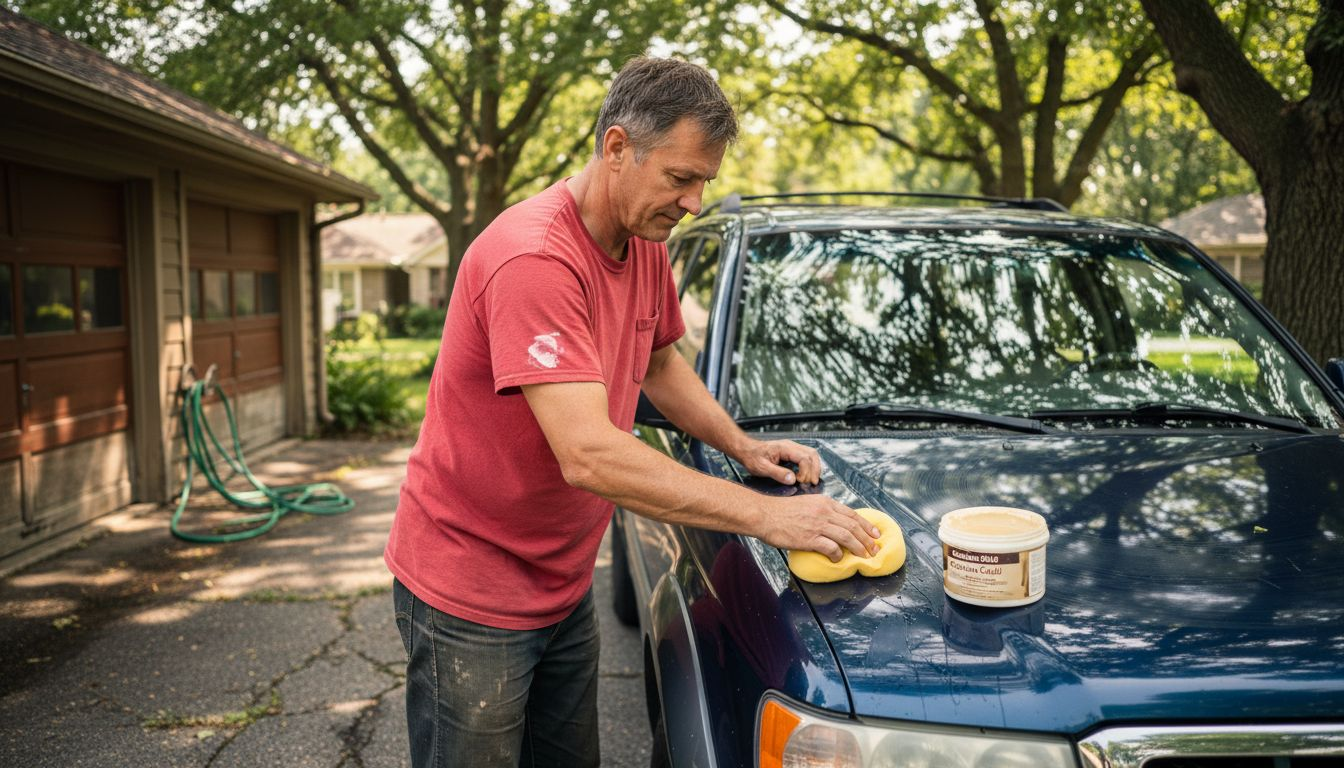
Protection levels also differ significantly. Ceramic coating shields your paint from UV rays, chemical contaminants, bird droppings, tree sap, road salt, and oxidation. It reduces water spotting and makes your vehicle easier to clean because contaminants don’t bond as easily to the slick surface. Wax provides basic protection against these elements, but the level of protection diminishes rapidly as the coating breaks down. For luxury vehicle owners in Spokane, ceramic coating makes sense if you want fire-and-forget protection that keeps your paint looking pristine for years. Wax works if you enjoy the detailing process and don’t mind the regular maintenance routine. The choice comes down to this: do you want protection that lasts, or do you want to maintain an active role in protecting your vehicle’s finish?
Pro tip: If you choose ceramic coating, maintain it with ceramic-safe wash products and avoid automated car washes with harsh brushes—this preserves the coating’s integrity and extends its protective lifespan significantly.
Cost Analysis and Long-Term Value
Let’s talk money. The upfront cost of ceramic coating is higher than wax, sometimes significantly higher. A professional ceramic coating application can range from several hundred to over a thousand dollars depending on your vehicle’s size and the coating quality. A bottle of wax costs between fifteen and fifty dollars, and you can apply it yourself in an afternoon. On the surface, wax looks like the obvious choice. But this is where most vehicle owners make a costly mistake by looking only at the initial price tag instead of the total cost over time.
Ceramic coating’s real value emerges over years, not months. When you factor in the longevity and reduced maintenance requirements, the math shifts dramatically. Life-cycle cost analysis demonstrates that higher initial investment in sophisticated coatings is offset by significantly lower long-term costs through reduced maintenance and extended protection periods. Here’s the practical reality for Spokane luxury vehicle owners: ceramic coating protects your paint investment for three to five years without requiring reapplication. During that time, you apply wax four to ten times. Even at the low end of wax costs, you’re spending two hundred to five hundred dollars on repeated applications, plus the time investment. Add in the labor if you’re paying someone to apply it professionally, and wax becomes expensive fast.
Wax operates on constant replacement cycles. Every season or every few months, you’re buying more product and dedicating time to application. The protection diminishes predictably, forcing you to stay on a maintenance schedule or accept degraded paint protection. Ceramic coating, by contrast, requires minimal upkeep. You wash your vehicle normally, avoid harsh automated car washes, and the coating continues protecting your paint month after month. Advanced ceramic coatings provide superior value through reduced downtime and protection costs compared to traditional coatings, especially in demanding environments like the Inland Northwest.
Consider what you’re really protecting. A luxury vehicle’s paint is a significant asset. UV damage, oxidation, and environmental contaminants don’t just affect appearance—they reduce resale value. Ceramic coating preserves that asset aggressively for years. When you sell or trade your vehicle, that pristine paint is noticeable and valuable. Wax can’t offer that kind of long-term preservation. For luxury vehicle owners, the question isn’t whether ceramic coating is expensive. The question is whether protecting your vehicle’s appearance and value for years is worth the investment. Most find the answer is obviously yes.
Pro tip: Calculate your true cost by multiplying your annual wax expense by five, then compare that total to a ceramic coating investment—you’ll likely find ceramic coating saves money while delivering superior protection.
Common Pitfalls and Expert Recommendations
Vehicle owners make predictable mistakes when choosing between ceramic coating and wax, and understanding these pitfalls helps you avoid costly errors. Some mistakes happen before you even apply anything. Others emerge after installation when expectations don’t match reality. Knowing what to watch for puts you in control of the outcome.
The DIY ceramic coating mistake tops the list of common pitfalls. Some vehicle owners see ceramic coating’s premium price and think they’ll save money by purchasing consumer-grade ceramic products and applying them at home. This rarely ends well. Professional ceramic coatings from Optyx Auto Studio require proper surface preparation, controlled environmental conditions, and expert application techniques to achieve optimal protection and longevity. Without climate control, proper decontamination, and years of application experience, you risk streaky coverage, inadequate bonding, and a coating that fails prematurely. What seemed like savings becomes expensive when you pay to have the failed coating removed and properly reapplied. Professional installation isn’t an upsell. It’s the only way to guarantee ceramic coating performs as designed.
Improper surface preparation undermines both ceramic coating and wax. Your paint’s surface must be absolutely clean, free of contaminants, swirl marks, and oxidation before any protective coating goes on. Many people skip this step or treat it casually. This creates a barrier between the coating and your clear coat, preventing proper bonding and reducing protection effectiveness. With ceramic coating, inadequate preparation means the coating won’t adhere properly, leading to premature failure. With wax, poor surface prep means the wax doesn’t create that glass-like shine you’re paying for. The quality of your results depends entirely on what happens before application begins.
Wax application mistakes are forgiving but still worth avoiding. Applying wax too thickly, not buffing thoroughly, or using old wax that’s dried out all result in a hazy, streaky finish instead of that deep, wet shine. Using the wrong wax for your climate matters too. Some waxes perform better in dry conditions, others in humid environments. For ceramic coating, expert application emphasizes adherence to protocols and proper curing conditions to maximize protective benefits. Rushing the curing process by driving your vehicle immediately after ceramic coating application prevents the coating from bonding correctly.
Post-application maintenance mistakes undermine both products. Ceramic coating owners sometimes assume they never need to wash their vehicles. Dirt and contaminants still accumulate, and regular gentle washing is essential. Wax owners often apply wax to dirty paint, trapping contaminants beneath the protective layer. Neither approach maximizes your protection investment. The expert recommendation is straightforward: maintain consistent, gentle wash routines regardless of which product you choose, use appropriate products for your coating type, and avoid automated car washes with harsh brushes.
This summary outlines key pitfalls to avoid with each protection method:
Common Pitfall | Ceramic Coating Impact | Wax Impact |
DIY Application | Poor bonding, costly fixes | Unlikely, low risk |
Inadequate Surface Prep | Coating failure, short life | Dull finish, weak shine |
Improper Curing Time | Weak or uneven protection | Not applicable |
Skipping Regular Washing | Coating wears, dirt builds | Wax degrades, paint dulls |
Selecting Wrong Climate Type | May affect performance | Weak protection, residue |
Pro tip: Schedule a consultation with Optyx Auto Studio before committing to either option—our experts can assess your vehicle’s current condition, discuss your maintenance commitment level, and recommend the choice that delivers maximum value for your specific situation.
Elevate Your Vehicle Protection Beyond Wax
Choosing between ceramic coating and wax boils down to your commitment to preserving your vehicle’s finish and protecting your investment over time. If you want durable, long-lasting protection that stands up to Spokane’s harsh weather and reduces the need for frequent maintenance ceramic coating is the superior choice. At Optyx Auto Studio we understand the technical expertise and precision required to deliver the high-end results luxury vehicle owners demand. Our professional ceramic coating application goes beyond simple shine to provide a true chemical bond that shields your paint from UV rays oxidation and contaminants for years.
Experience the difference of expert automotive restyling and protection services at Optyx Auto Studio. From professional ceramic coatings and paint correction to specialized upgrades like ceramic window tinting and custom styling options we provide comprehensive solutions tailored to your vehicle and lifestyle. Don’t settle for temporary wax protection when you can invest in long-term value and impeccable aesthetics. Visit Optyx Auto Studio to schedule your consultation and discover how our certified installers deliver precision and lasting shine you can trust. Upgrade your vehicle’s defense today and enjoy the peace of mind that comes with expert care.
Frequently Asked Questions
What is the difference between ceramic coating and wax for vehicle paint protection?
Ceramic coating is a synthetic product that forms a chemical bond with the vehicle’s clear coat, providing long-lasting protection for three to five years or more. In contrast, wax is an organic compound that sits on top of the clear coat, requiring reapplication every three to six months for optimal protection.
How long does each product typically last on my vehicle?
Ceramic coating can last anywhere from three to five years or longer, while wax typically lasts only three to six months before needing to be reapplied.
Can I apply ceramic coating myself, or does it require professional installation?
Ceramic coating requires professional installation due to the need for thorough surface preparation, controlled environmental conditions, and expert application techniques. DIY applications often result in suboptimal performance and durability.
How do maintenance requirements differ between ceramic coating and wax?
Ceramic coating requires minimal maintenance, with regular gentle washing recommended to preserve its integrity, while wax requires frequent reapplication and maintenance every few months to maintain protection and shine.
Recommended


Comments